Monday, January 23, 2012
The Top 12 Cancer Causing Products in the Average American Home
Interesting list of common products that can lead to cancer. How many of them are in YOUR home?


Thursday, January 19, 2012
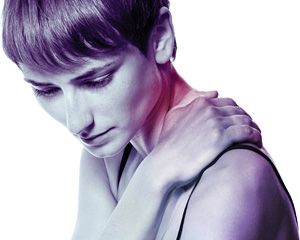
Conservative Care Beats Medication for Neck Pain
Conservative Care Beats Medication for Neck Pain
Study: Spinal manipulation and exercise are more effective than OTC pain relievers, narcotics and muscle relaxants.
By Peter W. Crownfield, Executive Editor
A study published in the Jan. 3, 2012 issue of the Annals of Internal Medicine and widely reported by mainstream media suggests conservative care consisting of either spinal manipulation or home exercise is more effective than over-the-counter and prescription medication for relieving acute and subacute neck pain. Spinal manipulative therapy was more effective than medication in both the short and long term, as was home exercise in the form of self-mobilization of the neck and shoulder joints – a point media outlets were quick to emphasize in a classic attempt to downplay the value of the chiropractic intervention.
The study involved 272 adults ages 18-65 with nonspecific mechanical neck pain of two to 12 weeks' duration. Participants were recruited from a university research center and a pain management clinic in Minnesota. Other inclusion criteria included pain equivalent to grade I or grade II according to the Bone and Joint Decade's Task Force on Neck Pain and Its Associated Disorders; and neck pain score of 3 or greater on a 0-10 scale. Exclusion criteria included cervical spine instability, fracture, neck pain referred from peripheral joints or viscera, progressive neurologic deficits, diffuse idiopathic hyperostosis, inflammatory or destructive changes of the cervical spine, previous cervical spine surgery, and blood-clotting disorders, among other criteria.
 Subjects were randomized at their second baseline appointment to one of three groups for 12 weeks:
- A spinal manipulative therapy group, which received "manipulation of areas of the spine with segmental hypomobility by using diversified techniques, including low-amplitude spinal adjustments ... and mobilization." According to the study, six chiropractors, each with at least five years' experience, provided treatment, with the specific spinal level to be treated and the number of treatments rendered left to the discretion of the individual chiropractor.
- A home exercise advice group, "with advice provided [by six therapists] in two 1-hour sessions one to two weeks apart. Recommended mobilization exercises included "neck retraction, extension, flexion, rotation, lateral bending motions, and scapular retraction, with no resistance." Participants received a booklet and laminated cards of prescribed exercises, and were advised to perform 5-10 repetitions of each exercise six to eight times daily.
- A medication group monitored by a licensed medical physician, with nonsteroidal anti-inflammatory drugs (NSAIDs), acetaminophen, or both serving as the first line of pharmacological therapy. With patients who did not respond to or could not tolerate these drugs, narcotic medications and muscle relaxants were prescribed. With each patient, the MD determined the type of medication administered and the number of patient visits.
Self-reported outcomes, including pain, were measured six times during the 12-week treatment period in all three groups: at both baseline appointments; two, four, eight and 12 weeks after randomization; and on two occasions post-treatment (weeks 26 and 52). Objective measures of cervical spine motion were measured at four and 12 weeks by seven trained examiners blinded to treatment assignment.
Of the 272 participants, essentially equally assigned to the three treatment groups (91 SMT, 91 home exercise and 90 medication), "improvement in participant-rated pain significantly differed with SMT compared with medication at 12 weeks ... and in longitudinal analyses that incorporated pain ratings every two weeks from baseline to 12 weeks. At 12 weeks, a significantly higher proportion of the SMT group experienced reductions of pain of at least 50% [compared to the medication group]. Differences in participant-related pain improvement between the SMT and [home exercise] groups were smaller and not statistically significant."
Specifically, at week 12, more than 82 percent of the SMT group reported a 50 percent or greater reduction in pain; 57 percent reported at least a 75 percent reduction and 32 percent reported a 100 percent reduction. By comparison, the home exercise group reported pain reductions of 77 percent, 48 percent and 30 percent, respectively, while the medication group reported reductions of only 69 percent, 33 percent and 13 percent.
In terms of long-term improvement, 75 percent of the SMT group reported at least a 50 percent reduction in pain after 26 weeks, while nearly 81 percent reported at least a 50 percent reduction at 52 weeks. At 26 and 52 weeks, 71 percent and 69 percent of the home exercise group, respectively, reported at least a 50 percent reduction in pain. In long-term follow-up, the medication group's improvement fluctuated from 59 percent reporting pain reduction of 50 percent or more at 26 weeks to 69 percent reporting the same reduction at 52 weeks.
"Spinal manipulation therapy and [home exercise advice] led to similar short- and long-term outcomes," stated the authors, "but participants who received medication seemed to fare worse, with a consistently higher use of pain medications for neck pain throughout the trial's observational period."
Monday, January 16, 2012
Are Antibiotics Killing Off Beneficial Bacteria Forever?
Antibiotics: Killing Off Beneficial Bacteria…For Good?
From www.wired.com/superbugs
It’s an accepted concept by now that taking antibiotics in order to quell an infection disrupts the personal microbiome, the population of microorganisms that we all carry around in our guts, and which vastly outnumbers the cells that make up our bodies. That recognition supports our understanding of Clostridium difficile disease — killing the beneficial bacteria allows C. diff room to surge and produce an overload of toxins — as well as the intense interest in establishing a research program that could demonstrate experimentally whether the vast industry producing probiotic products is doing what it purports to do. But implicit in that concept is the expectation that, after a while — after a course of antibiotics ends — the gut flora repopulate and their natural balance returns.
What if that expectation were wrong? In a provocative editorial published this week in Nature, Martin Blaser of New York University’s Langone Medical Center argues that antibiotics’ impact on gut bacteria is permanent — and so serious in its long-term consequences that medicine should consider whether to restrict antibiotic prescribing to pregnant women and young children.
Early evidence from my lab and others hints that, sometimes, our friendly flora never fully recover. These long-term changes to the beneficial bacteria within people’s bodies may even increase our susceptibility to infections and disease. Overuse of antibiotics could be fuelling the dramatic increase in conditions such as obesity, type 1 diabetes, inflammatory bowel disease, allergies and asthma, which have more than doubled in many populations.
Among the findings he cites in support: The population-level observation that the incidence of infection with H. pylori, the bacterial cause of gastric ulcers, has declined over decades just as the incidence of esophageal cancer has risen. In addition, he offers his own research group’s observation that children who don’t acquire H. pylori are at greater risk of developing allergy and asthma, and their findings that eradicating H. pylori affects the production of the two hormones, ghrelin and leptin, that play a role in weight gain.
Are antibiotics to blame for the decline in H.pylori? Blaser points out that the organism is vulnerable to the same antibiotics that are prescribed to children for ear infections and colds — and that children routinely receive up to 20 courses of antibiotics before they reach adulthood. In addition, he says, one-third to one-half of women in the industrialized world receive antibiotics during pregnancy. Couple that with the increasingly large percentage of children born by Caesarean section — who by skipping their trip through the birth canal miss their first exposure to friendly bacteria — and the result, he says, is that “each generation… could be beginning life with a smaller endowment of ancient microbes than the last.”
Finally, he points to evidence that antibiotic use permanently changes the composition of the gut microbiome, altering the balance of bacterial species and maintaining resistant bacteria in the gut.
Where the Body Finds Answers (The Weekly Sticky)
How much stomach acid does it take to digest a cheeseburger? Or, how much calcium is
needed to heal a broken leg? How about a fever, how high should it reach to fight a common
cold? You don't need to surf Google for the answers, your INNATE search engine already knows.
If you doubt there's genius inside you, just consider this – the 50,000,000 cells in your body
that will die while you read this sentence… your innate intelligence knows how to replace every
single one of them. The trillions of mental impulses coursing through your Nerve System at this
moment… innate is moving them at speeds approaching 248 mile per hour. The number of
heartbeats you’ll get in your lifetime… innate reserved around 3 billion for you.
Google may be the web's leading source for information, but it's got nothing over your innate
intelligence when it comes to keeping you alive and well. Innate has solutions to just about any
health challenge you have. All you have to do is search within to find the answer.
needed to heal a broken leg? How about a fever, how high should it reach to fight a common
cold? You don't need to surf Google for the answers, your INNATE search engine already knows.
If you doubt there's genius inside you, just consider this – the 50,000,000 cells in your body
that will die while you read this sentence… your innate intelligence knows how to replace every
single one of them. The trillions of mental impulses coursing through your Nerve System at this
moment… innate is moving them at speeds approaching 248 mile per hour. The number of
heartbeats you’ll get in your lifetime… innate reserved around 3 billion for you.
Google may be the web's leading source for information, but it's got nothing over your innate
intelligence when it comes to keeping you alive and well. Innate has solutions to just about any
health challenge you have. All you have to do is search within to find the answer.
Wednesday, January 11, 2012
Natural Cranberry Juice More Effective than Pills at Fighting Infection
Natural Cranberry Juice More Effective than Pills at Fighting Infection
From Natural News
(NaturalNews) A new study from the Worcester Polytechnic Institute (WPI) in Massachusetts
The new paper adds to the highly positive conclusions previously published by professor Camesano on the health benefits of cranberries. Earlier WPI studies have shown that their juice can prevent infectious bacteria, specifically a virulent form of E. coli, from attaching to the wall of the urinary tract. This strain is covered with hair-like projections that help it hook onto urinary tract cells.
Exposure to bioactive elements in cranberries reduce the ability of the bacteria to adhere to healthy cells. As a result, the E. coli is unable to form a biofilm, which would allow the bacteria to grow and spread further. Eventually they are easily eliminated by the natural flow of urine.
The new experiments have focused on observing the difference between the use of pills containing cranberry flavonoids and the intake of natural juice. Until now, a group of flavonoids called proanthocyanidins, or PACs, were thought to be responsible for the anti-inflammatory properties of cranberries. Based on this assumption, pharmacologists have tried to artificially replicate and increase the effects of this substance through the use of concentrated doses in pills.
The scientists' study proves these assumptions were wrong all along. Although at first they focused on the PACs themselves, the team's new experiments show that the natural remedy has greater effect than the isolated compound. "The data shows that they aren't the silver bullet, cranberry juice's ability to prevent biofilms is more complex than we may have originally thought," said Dr. Terri Camesano.
During the experiments, researchers incubated two different types of E. coli in the presence of two different mixtures of cranberry juice. At the same time, the bacteria was also incubated in the presence of a substance similar to the one found in cranberries. The results showed that in the presence of natural juice, the bacteria was completely unable to form a biofilm and create the conditions needed for an infection. The PACs, on the other hand, had a limited impact on the E. coli and only after a prolonged exposure. "This study shows that cranberry juice is better at inhibiting biofilm formation than isolated A-type cranberry flavonoids and PACs, although the reasons for this are not yet clear," the professor concluded.
"Cranberries have been recognized for their health benefits for a number of years," explained the professor. Besides their unmatched ability to fight urinary tract infections, they are a source of bioactive substances that can help maintain a vibrant health.
Raw cranberries have elevated antioxidant contents that help the immune and cardiovascular systems, as well as fight free radicals. Medical experts remind us that substances found in these fruits can help prevent tooth decay by inhibiting the formation of plaque. Moderate amounts of dietary fibers, vitamin C and various essential minerals can also be obtained from the regular consumption of cranberries.
The new paper adds to the highly positive conclusions previously published by professor Camesano on the health benefits of cranberries. Earlier WPI studies have shown that their juice can prevent infectious bacteria, specifically a virulent form of E. coli, from attaching to the wall of the urinary tract. This strain is covered with hair-like projections that help it hook onto urinary tract cells.
Exposure to bioactive elements in cranberries reduce the ability of the bacteria to adhere to healthy cells. As a result, the E. coli is unable to form a biofilm, which would allow the bacteria to grow and spread further. Eventually they are easily eliminated by the natural flow of urine.
The new experiments have focused on observing the difference between the use of pills containing cranberry flavonoids and the intake of natural juice. Until now, a group of flavonoids called proanthocyanidins, or PACs, were thought to be responsible for the anti-inflammatory properties of cranberries. Based on this assumption, pharmacologists have tried to artificially replicate and increase the effects of this substance through the use of concentrated doses in pills.
The scientists' study proves these assumptions were wrong all along. Although at first they focused on the PACs themselves, the team's new experiments show that the natural remedy has greater effect than the isolated compound. "The data shows that they aren't the silver bullet, cranberry juice's ability to prevent biofilms is more complex than we may have originally thought," said Dr. Terri Camesano.
During the experiments, researchers incubated two different types of E. coli in the presence of two different mixtures of cranberry juice. At the same time, the bacteria was also incubated in the presence of a substance similar to the one found in cranberries. The results showed that in the presence of natural juice, the bacteria was completely unable to form a biofilm and create the conditions needed for an infection. The PACs, on the other hand, had a limited impact on the E. coli and only after a prolonged exposure. "This study shows that cranberry juice is better at inhibiting biofilm formation than isolated A-type cranberry flavonoids and PACs, although the reasons for this are not yet clear," the professor concluded.
"Cranberries have been recognized for their health benefits for a number of years," explained the professor. Besides their unmatched ability to fight urinary tract infections, they are a source of bioactive substances that can help maintain a vibrant health.
Raw cranberries have elevated antioxidant contents that help the immune and cardiovascular systems, as well as fight free radicals. Medical experts remind us that substances found in these fruits can help prevent tooth decay by inhibiting the formation of plaque. Moderate amounts of dietary fibers, vitamin C and various essential minerals can also be obtained from the regular consumption of cranberries.
Top Ten Most Modified Foods
Top Ten Most Modified Foods
from Healthy Child Healthy World
We often hear the question: “What foods should I avoid?” this is a great question, as many of our everyday foods are so genetically modified (GM) that they aren’t even close to the foods that originally developed over time on earth. So here is a list of the top ten most modified foods that you should try to avoid:
1) CORN – Our #1 agricultural commodity. In 2009, nearly 20 million acres of GM corn was planted and harvested in this country, including Bt and Roundup Ready corn varieties. Corn has leaked into almost every part of our daily life, from food to clothing to plastics, corn is everywhere!
2) SOY – The #2 agricultural commodity in our country. 60%(!) of processed food in this country contains some variation of soy in it, and over 80% of edible fats and oils in this country are soy based. Over half of the nearly 75 million acres of soy in this country are GM. Not to mention that Monsanto doesn’t allow farmers to clean their beans and re-plant them, you have to buy new seeds from them EVERY YEAR!
3) POTATO - Currently, the only GM potato is a Burbank Russet variety, marketed under the name NewLeaf. This Bt-producing plant is lethal to the Colorado potato beetle – and possibly to beneficial insects.
4) TOMATO - The first GM tomato, the Flavr Savr, was introduced commercially in 1994, but flopped because it proved tasteless. Since then, other varieties, including a cherry tomato, have been genetically engineered to delay ripening and extend shelf life.
5) CANOLA OIL - Of the 15 million acres of canola grown in the U.S. and Canada
6) COTTONSEED OIL - In 2000, 61% of the 15.5 million acres of cotton grown in the U.S.
7) PAPAYA - More than one third of Hawaiian papayas have been genetically engineered to withstand the papaya ringspot virus. Organic papaya growers in Hawaii
8) RADDICHIO - Currently one variety of radicchio, called Seed Link, has been genetically modified to be resistant to the herbicide glufosinate.
9) SQUASH - Several varieties of summer squash have been genetically engineered to resist mosaic viruses. Some scientists are concerned that resistance to the virus may spread to weedy relatives, such as gourds, found in the U.S.
10) SALMON - A company called Aqua Bounty has engineered a salmon with genes from two different fish species so that it grows much more quickly than non-GM salmon. The company now seeks FDA approval to market this fish for human consumption. Escaped into the environment, (which is inevitable on fish farms), the GM fish may be larger and more aggressive, eat more food, and mate more often, though their offspring are less fit to survive in the wild, raising the possibility of wild species extinction. Human health effects are also relatively unknown. Currently, research on transgenic strains of 35 fish species world-wide is underway.
Thursday, January 5, 2012
Aspire is Back to Our Regular Schedule
Now that the holidays are over, we are back to our regular schedule.
Mondays and Wednesdays 8:30-11:30, 3:15-6:15 (Max T3 training on Mondays at 6:15)
Tuesdays and Thrusdays 3:15-6:15 (Doctor's Report at 6:15)
Fridays 8:30-11:30
Saturdays 9:30-11:00
Mondays and Wednesdays 8:30-11:30, 3:15-6:15 (Max T3 training on Mondays at 6:15)
Tuesdays and Thrusdays 3:15-6:15 (Doctor's Report at 6:15)
Fridays 8:30-11:30
Saturdays 9:30-11:00
Know Anyone Who Has Been in an Accident?
Have them call us first! Aspire is always accepting auto accident cases and we have a list of legal professionals who can assist you in handling everything for your case. Get quality care and heal faster with Aspire Chiropractic! All new patients can call (651)294-2332 for information and to schedule.
Subscribe to:
Posts (Atom)